Flounder identification, size and bag in Florida
On this page
- Size limit14" total length
- Bag5 per person when open
- SeasonClosed Oct. 15–Nov. 30, Gulf and Atlantic
Gulf and Atlantic state waters, and federal waters off both coasts, use one rule: 14 inches total length, bag 5, closed Oct. 15 through Nov. 30. The season page and the seasons calendar list that same closure.
Florida flounder season: closed October 15 through November 30 in Gulf and Atlantic state waters and federal waters off both coasts. Size limit 14 inches total length. Bag 5 per person when open. Harvest reopens December 1. The rule covers Gulf, southern, summer, and fringed flounder.
At a glance
- Rules in flux
- Harvest closes Oct 15 through Nov 30 every year. Season dates are on the flounder season page.
- Size limit
- 14" total length
- Bag
- 5 per person when open
- Season
- Closed Oct. 15–Nov. 30, Gulf and Atlantic
- Status (Oct. 31, 2026)
- Closed. Harvest reopens Dec. 1
- Gulf
- 14" total length, 5 per person, closed Oct. 15–Nov. 30
- Atlantic
- 14" total length, 5 per person, closed Oct. 15–Nov. 30
- Species covered
- Gulf, southern, summer and fringed flounder
- Waters
- State and federal, both coasts. FWC prints one rule.
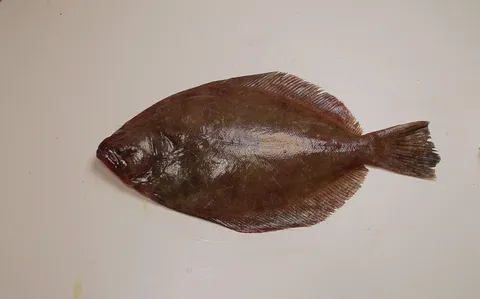

Flounder (southern/Gulf) limits
| Waters | Size | Bag | Season |
|---|---|---|---|
| Gulf state waters and federal waters off the Gulf | 14" total length | 5 per person | Closed annually from Oct. 15 through Nov. 30 |
| Atlantic state waters and federal waters off the Atlantic | 14" total length | 5 per person | Closed annually from Oct. 15 through Nov. 30 |
Florida flounder season calendar: Oct. 15 through Nov. 30
Harvest is closed every year from October 15 through November 30, Gulf and Atlantic, state waters and federal waters off Florida. When it is open: 14 inches total length, bag 5. Harvest reopens December 1.
- JanOpen
- FebOpen
- MarOpen
- AprOpen
- MayOpen
- JunOpen
- JulOpen
- AugOpen
- SepOpen
- OctCloses the 15th
- NovClosed
- DecOpen
The strip is the harvest calendar, not a forecast. December through September, and October 1 through 14, are open under the same rule FWC prints for both coasts. October 15 through November 30 is closed. The two table rows on this page are that one rule. It covers Gulf flounder, southern flounder, summer flounder, and fringed flounder. The flounder season page and seasons calendar use these dates.
FWC's Gulf and southern flounder profiles both call the fish a bottom-dweller thought to spawn offshore. The recreational page states the closure. It does not print a migration narrative. Rule 68B-48.005 says a recreational harvester may not harvest, possess, or land a flounder from October 15 through November 30, within or without Florida waters. The chapter file for that rule was opened October 31, 2026. The history line says the season rule was new on March 1, 2021.
| Dates | Harvest | What the page prints |
|---|---|---|
| Dec. 1 through Oct. 14 | Open | 14" total length, bag 5 per person |
| Oct. 15 through Nov. 30 | Closed to harvest | Same dates on the Gulf and the Atlantic, state and federal waters off Florida |
Can you gig flounder during the closed season?
When the season is open, FWC lists spears, gigs, hook and line, seine, and cast net as legal gear. Snatching is prohibited, and so is a multiple hook used with live or dead natural bait. The flounder season page already says a spear or gig is legal when harvest is open.
FWC spearing defines spearing as catching or taking a fish by bow fishing, gigging, spearfishing, or any device that captures a fish by piercing its body. The same definition says spearing does not include a hook used with hook-and-line gear. A gigged flounder has been taken. From October 15 through November 30, harvest is closed, so a gig or spear is not a way to take a flounder.
Hook and line is on the legal-gear list, and it is not spearing. The recreational flounder page does not print a separate sentence that catch-and-release is authorized during the closure, and it does not say that merely carrying a gig is prohibited. What it prints is the harvest closure and the gear list. Rule 68B-48.006 allows a beach or haul seine, a cast net, hook and line, or spearing, and it prohibits snagging. The recreational page says spears, gigs, hook and line, seine, and cast net, and it prohibits snatching. Spearing rules has the spearing definition, including the Volusia inland-water exception for flounder and sheepshead.
How to measure a Florida flounder: pinched-tail total length
The minimum is 14 inches total length. FWC fish measurement measures total length from the most forward point of the head, mouth closed, to the farthest tip of the tail with the tail compressed or squeezed, while the fish is lying on its side. Pinch the upper and lower lobes of the tail together. Do not follow the curve of the body with a flexible tape. That path comes out longer than the straight line. Lay the tape flat on a hard surface.
FWC clarified total length as a pinched tail and a closed mouth in 2006. Flounder are on the total-length list, with red drum, snook, sheepshead, and the other fish named on How to measure. Fork length, which stops at the center of the tail fork, is the method for Spanish mackerel and king mackerel. It is not the flounder method. The diagram on this page is the same total-length drawing.
The same size rule, 68B-48.003, says land each flounder in whole condition. Gutting and taking the gills out are allowed. The fish may not be beheaded, sliced, divided, filleted, ground, skinned, scaled, or deboned while you still possess it, in Florida waters or outside them. A short fish is still short if you measure it after you have dressed it.
Pier and inlet tactics: the surf zone and the passes
Gulf flounder use sandy or mud bottoms inshore and often run into tidal creeks, and now and then a nearshore rocky reef. Southern flounder use brackish bays and estuaries and sometimes the same creeks, including freshwater. Both sit on the bottom. Southern flounder mostly eat small fish. Gulf flounder eat crustaceans and small fish. The pier list on this page is that inshore water: Fort De Soto, Venice, Jacksonville Beach, St. Johns County Ocean Pier, and Navarre Beach.
A pass, an inlet, or a channel edge is the bottleneck the workshop describes during the fall move. From October 15 through November 30 you can still learn the spot. You cannot keep the fish, and you cannot gig it.
Gulf flounder or southern flounder
Both are left-eyed: both eyes are on the left side, and the right eye migrates over early in life. Both have a wedge-shaped tail with the tip in the middle, and strong canine-like teeth. The rule above covers both, plus summer flounder and fringed flounder.
Gulf flounder, Paralichthys albigutta, show three prominent dark eyelike spots in a triangle: one on the lateral line, one above, and one below. Southern flounder, Paralichthys lethostigma, may have five or more dark spots and blotches, and those spots are not eyelike. The summer flounder profile says Paralichthys dentatus has several ocellated spots, at least five of them in an X, and that this fish lives in the Atlantic from Nova Scotia to Florida's east coast and not in the Gulf of Mexico. The bag does not change with the pattern. A fish short of 14 inches total length is short on either pattern.
Rule 68B-48.002 names a fourth fish, fringed flounder, Etropus crossotus. The FWC profile address for fringed flounder returned no page on October 31, 2026. No color marks are added here for that fish. Inside Biscayne National Park the four flounders sit in the 10-fish aggregate. The species bag of 5 still applies.
Rules in flux. Harvest closes Oct 15 through Nov 30 every year. Season dates are on the flounder season page.
How do you recognize a flounder?
- Both southern and Gulf flounder are left-eyed flatfish: both eyes are on the left side, and the right eye migrates over early in life.
- Southern flounder may have five or more dark spots and blotches, but the spots are not eyelike. The tail is wedge-shaped, with the tip in the middle, and the teeth are strong and canine-like.
- Gulf flounder have many spots and blotches, with three prominent dark, eyelike spots in a triangle: one on the lateral line, one above and one below.
- Summer flounder, on the FWC profile, have several ocellated or eyelike spots, at least five of them arranged in an X. Southern flounder are common to 20 inches. Gulf flounder are common to 14 inches (2 pounds). The summer profile lists males to 24 inches and females to 36 inches or more.
- The summer flounder profile places that fish in Atlantic water from Nova Scotia to the east coast of Florida, on or close to the bottom in sand, and says it is not in the Gulf of Mexico. The recreational rule still names summer flounder on the same statewide line as Gulf and southern flounder.
- Fringed flounder is Etropus crossotus in Rule 68B-48.002. The FWC profile address for fringed flounder returned no page on October 31, 2026. This page does not add color marks for that fish.
Other flatfish names
- Summer flounder. Ocellated spots in an X, at least five of them, on the summer flounder profile. Same 14-inch total length and bag of 5. The profile says this fish is not in the Gulf of Mexico.
- Fringed flounder. Rule 68B-48.002 names Etropus crossotus and puts it on the same closure. FWC did not publish a profile with color marks.
Where do flounder lie in Florida?
Southern flounder use brackish bays and estuaries and sometimes run up tidal creeks into freshwater. Gulf flounder are inshore on sandy or mud bottoms, often in those same creeks, and now and then on a nearshore rocky reef. Both are bottom fish thought to spawn offshore, and both can change color to match the bottom. Southern flounder mostly eat small fish. Gulf flounder eat crustaceans and small fish. The summer flounder profile says that fish feeds on small fish, shrimp, and crabs, and that it is an Atlantic fish, not a Gulf fish. Harvest, possession, and landing are closed for a recreational harvester every October 15 through November 30, in Florida waters and outside them. In Volusia County inland waters, a barbed spear with three or fewer prongs is the spearing exception for flounder and sheepshead. This site is unofficial. Confirm the rule on the FWC flounder page before you fish.
Piers and bridges on this site
- Fort De Soto Park Gulf & Bay Piers, Tierra Verde (Pinellas County)
- Venice Fishing Pier, Venice
- Jacksonville Beach Fishing Pier, Jacksonville Beach (Duval County)
- St. Johns County Ocean Pier, St. Augustine Beach (St. Johns County)
- Navarre Beach Pier, Navarre Beach (Santa Rosa County)
Regions on this site
- Panhandle & Emerald Coast fishing rules
- Tampa Bay fishing rules
- Sarasota & Southwest fishing rules
- Florida Keys fishing rules
- Jacksonville & Northeast fishing rules
- Southeast & Treasure Coast fishing rules
Related rule pages
- Florida flounder season (closed Oct 15–Nov 30)
- 2026 closed seasons calendar
- Open now and closing soon
- Can I keep it today?
- Bag limits on a pier
- How total length is measured
- Spearing rules
- Biscayne National Park aggregate
- Sheepshead
- Mullet
- Saltwater fishing license
- Shoreline license and kayaks
- Unregulated species default bag
- What to catch by month
Common questions
Where are the Florida flounder season dates?
Harvest is closed every year from October 15 through November 30 in Gulf state and federal waters and in Atlantic state and federal waters. FWC prints one rule for both coasts. Harvest reopens December 1. Rule 68B-48.005 also says a recreational harvester may not possess or land a flounder on those dates, within or without Florida waters. When it is open, the minimum is 14 inches total length and the bag is 5 per person.
What is the flounder size limit?
14 inches total length on the Gulf row and on the Atlantic row. Pinch the tail. Keep the mouth closed. Lay the fish on its side.
What is the flounder bag limit?
5 per person, when the season is open. During the October 15 through November 30 closure, harvest, possession, and landing are closed for a recreational harvester. Rule 68B-48.004 also prints commercial daily numbers, 150 and 50 depending on the dates. Those are not the recreational bag, and they are not on the FWC recreational flounder page.
When is flounder season closed?
Every year from October 15 through November 30, in Gulf state and federal waters and in Atlantic state and federal waters. The two rows are the same rule. The recreational page was opened October 31, 2026, and it still prints that annual closure.
Which flounder species do these rules cover?
Gulf flounder (Paralichthys albigutta), southern flounder (Paralichthys lethostigma), summer flounder (Paralichthys dentatus), and fringed flounder (Etropus crossotus). Those four names are in Rule 68B-48.002. The recreational page uses the common names.
How do you tell a Gulf flounder from a southern flounder?
Gulf flounder have three prominent eyelike spots forming a triangle. Southern flounder may have five or more spots, but those spots are not eyelike. Summer flounder, on their profile, have at least five ocellated spots in an X.
Can you gig flounder during the October 15 through November 30 closure?
No. A gig takes the fish, and harvest is closed those dates. FWC defines gigging as spearing, which is taking a fish by piercing the body, and that definition does not include hook and line. A gig is listed as legal gear when the season is open. Rule 68B-48.005 also prohibits possession and landing. The recreational page does not print a separate catch-and-release authorization, and it does not say that merely carrying a gig is prohibited.
Can you fillet a flounder on the boat?
Rule 68B-48.003 says land each flounder in whole condition. Gutting and removing the gills are allowed. Beheading, slicing, filleting, grinding, skinning, scaling, or deboning is not, while you still possess the fish in Florida waters or outside them.
How do you read the flounder limit table?
Two rows repeat the same rule. Gulf state waters and federal waters off the Gulf, and Atlantic state waters and federal waters off the Atlantic, are each 14 inches total length and 5 per person. The season cell on both rows is closed annually from October 15 through November 30. FWC prints one regulation for both coasts and says it covers state and federal waters off Florida. State waters are from shore to 3 miles in the Atlantic and from shore to 9 miles in the Gulf.
Do the size and bag cells apply during the flounder closure?
No. The season cell closes harvest from October 15 through November 30. On October 31, 2026, that closure is in effect on both rows. The 14 inch size and the bag of 5 apply when the cell is open, starting December 1. Rule 68B-48.005 also closes possession and landing for a recreational harvester on those dates.
Official sources
- FWC: Saltwater Recreational Regulations
- FWC: Flounder (southern/Gulf)
- FWC: Fish measurement
- FWC: Spearing
- FWC: Biscayne National Park
- FWC profile: Gulf flounder
- FWC profile: Southern flounder
- FWC profile: Summer flounder
- Fla. Admin. Code 68B-48.002
- Fla. Admin. Code 68B-48.003
- Fla. Admin. Code 68B-48.005
- Fla. Admin. Code 68B-48.006