Bonito (little tunny) bag limit in Florida
On this page
Varies by region
- Bag2 fish or 100 pounds per person per day, whichever is more
The unregulated page prints the name bonito in its popular sport-fish list. FWC puts unregulated in quotes and says the term can be misleading, because a default bag and gear rules still apply. The bag is two fish or 100 pounds per person per day, whichever is more. The page lists no size and no season.
The short version
- Bag
- 2 fish or 100 pounds per person per day, whichever is more
- Legal gear
- Hook and line, spears, gigs, haul seines and cast nets
- Illegal gear
- Chemicals, explosives, electricity, bang sticks, fish traps
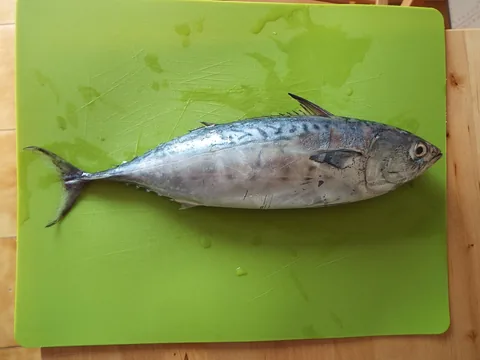

Bonito limits
| Waters | Size | Bag | Season |
|---|---|---|---|
| Gulf and Atlantic state waters | Not listed | 2 fish or 100 pounds per person per day, whichever is more | Not listed |
What does the FWC bonito profile show?
- FWC's profile is titled little tunny, Euthynnus alletteratus. It says this fish is also known as bonito and blue bonito.
- Broken, wavy, diagonal dark stripes on the back, and 3 to 7 dark spots under each pectoral fin.
- No dark stripes on the belly. The pectoral fins are relatively short.
- The profile says Atlantic bonito lack spots below the pectoral fin, and that their dark back stripes are mostly straight.
- The profile lists size up to 48 inches. That figure is not a minimum size on the unregulated page.
Where does that profile place this fish?
The little tunny profile says this fish lives in coastal to offshore waters and is one of the most common tuna species in the area. It feeds on small fishes and invertebrates. FWC's unregulated page lists the name bonito in the popular sport-fish list and does not list a season.
Coasts and regions
- Panhandle & Emerald Coast fishing rules
- Tampa Bay fishing rules
- Sarasota & Southwest fishing rules
- Florida Keys fishing rules
- Jacksonville & Northeast fishing rules
- Southeast & Treasure Coast fishing rules
Related rule pages
- Unregulated species default bag
- Marine life harvest
- Cero mackerel
- Billfish, tuna and swordfish
- 2026 closed seasons calendar
- Open now and closing soon
- What to catch by month
If the rule isn't clear
What is the bonito bag limit?
Two fish or 100 pounds per person per day, whichever is more. FWC lists bonito as an unregulated sport fish.
What name does the unregulated page print?
Bonito, in the popular sport-fish list. That regulations page does not print little tunny or Atlantic bonito next to the name. The little tunny profile, linked separately, says that fish is also known as bonito and blue bonito.
Which profile matches the name bonito?
FWC's little tunny profile says that fish is also known as bonito and blue bonito. This page keeps the name bonito used on the unregulated-species list.
Does the unregulated page list a bonito size or season?
No. The page does not list a minimum size or a season. The profile's size, up to 48 inches, is not a minimum on that page.
What gear is legal for bonito?
Hook and line, spears, gigs, haul seines and cast nets. Gear restrictions apply in certain locations. Chemicals, explosives, electricity, bang sticks and fish traps are illegal.